Sight
Observe the color and clarity of the wine, which can indicate its age and varietal.
Have you ever felt lost in the intricate world of wine tasting, unsure of how to express your thoughts or connect with others over your favorite varietals? The art of wine tasting goes beyond sipping—it's about understanding the vocabulary that enriches our experience. By mastering this language, you unlock a deeper appreciation for the craft behind each bottle and elevate your conversations with fellow enthusiasts.
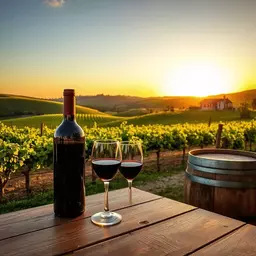
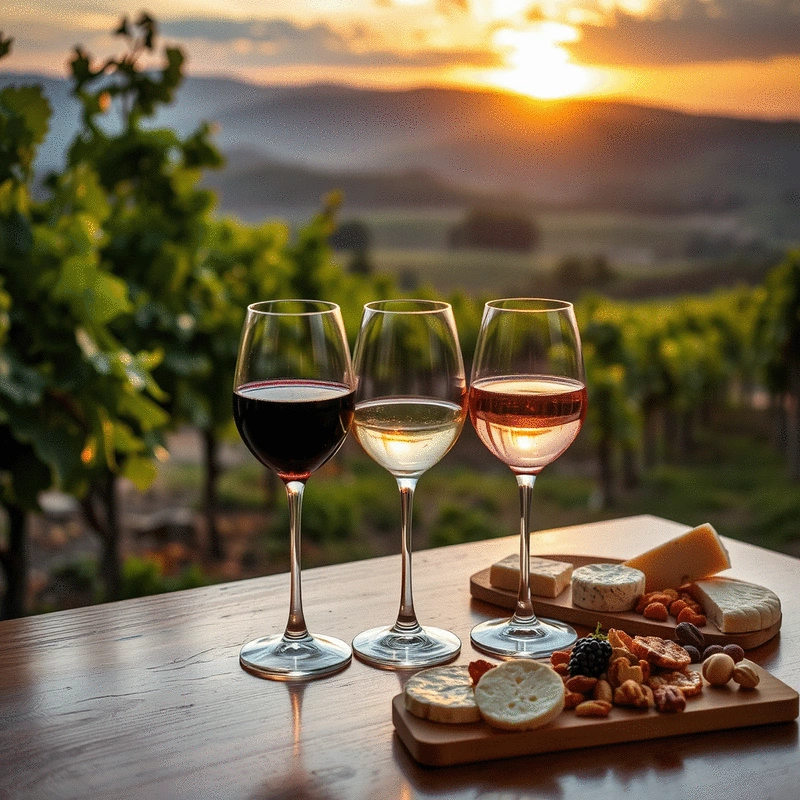
This visual outlines the three primary components of wine tasting: Sight, Smell, and Taste, along with their significance in enhancing the tasting experience. For more detailed insights, consider exploring a Napa Valley wine tasting guide.
Observe the color and clarity of the wine, which can indicate its age and varietal.
Swirl the wine in your glass, then take a moment to inhale its aromas. This sets the stage for what you’ll taste.
Take a small sip and let the wine coat your palate. Focus on the flavors and how they evolve on your tongue.
Wine tasting is an experience that transcends simply sipping a glass; it’s about cultivating an appreciation for the artistry behind each bottle. This journey begins with understanding the **vocabulary** that enhances our tasting experiences. By learning the language of wine, we not only build our confidence but also enrich our discussions with fellow enthusiasts. Have you ever found yourself at a tasting event, unsure of how to express your thoughts? Having the right words can unlock a deeper connection with the wine—and with those around you!
Moreover, wine vocabulary plays a crucial role in elevating our overall tasting experience. It helps us articulate what we like or dislike about a wine, guiding our choices in the future. As I’ve discovered through my adventures in Napa Valley, being able to share my thoughts on **aromas**, **flavors**, and the wine’s **finish** has led to some fascinating conversations with winemakers and fellow tasters alike. So, let’s dive into the essential terms that will empower your wine journey!
Using specific terms when describing wine can significantly enhance your tastings. For instance, understanding the difference between **aroma** and **bouquet** can help you communicate more effectively with others. The more familiar you become with wine vocabulary, the more confident you'll feel exploring different wines—be it at a vineyard tour or a casual gathering with friends. To truly master the art, check out these vineyard wine tasting tips for beginners.
Vocabulary not only improves your self-assurance but also opens doors to deeper connections within the wine community. Have you ever joined a group tasting and felt lost in the conversation? Knowing the right terms can make you feel more included and engaged. As you explore Napa Valley’s vineyards, remember that each interaction is an opportunity to share your insights and learn from others!
Plus, as you embrace this vocabulary, you'll discover that each term uncovers a layer of the wine experience, making every tasting richer and more rewarding. So, are you ready to dive into the essential wine tasting terms that will elevate your appreciation and enjoyment of wine?
When stepping into the world of wine, it’s essential to grasp some basic terminology. Here’s a list of key terms that will enhance your understanding of what you’re tasting:
Mastering these terms is your first step towards becoming a confident wine taster! Each of these elements contributes to the unique experience of each sip. Remember, the beauty of wine lies in the stories they tell—every bottle is a reflection of its origin, the people who crafted it, and the passion behind it.
Tasting wine is a multi-sensory experience that involves more than just your taste buds. It encompasses three primary components: sight, smell, and taste. Understanding this process will help you appreciate the complexities of each wine. Here’s how to break it down:
Embracing each step of this sensory process will deepen your appreciation for the art of wine tasting. As you explore Napa Valley’s vineyards, allow yourself to indulge in this holistic experience. Each tasting is a chance to discover something new, so keep your senses sharp and your curiosity alive! For those looking to dive deeper into how to approach different wines, learn more about selecting wine for tasting events.
Did you know? One of the best ways to enhance your wine tasting vocabulary is to keep a tasting journal. Documenting your experiences with different wines not only reinforces your understanding of key terms but also helps track your preferences over time. As you jot down your observations on aroma, body, and finish, you'll become more confident in articulating your thoughts during tastings or discussions.
As I’ve journeyed through the vineyards of Napa Valley, I’ve discovered that having a solid grasp of wine vocabulary can truly transform your tasting experience. It not only helps you articulate your thoughts but also boosts your confidence when discussing your favorite wines. Imagine being at a tasting event, surrounded by fellow enthusiasts, and feeling empowered to share your observations! Engaging in conversations and making connections over a glass of wine is what enriches our appreciation for this art form.
Participating in wine tasting events can feel intimidating at first, but remember, everyone starts somewhere! By actively joining these gatherings, you’ll immerse yourself in the vocabulary and nuances of wine tasting. Ask questions, share your thoughts, and listen to the experiences of others. The more you engage, the more you’ll learn, and soon enough, your wine vocabulary will flow as smoothly as the finest Cabernet Sauvignon. Exploring vineyard tours to explore in Napa can significantly enhance this learning.
Now that you’re armed with essential wine vocabulary, it’s time to put it into action! One of the best ways to reinforce what you’ve learned is to have a handy reference guide. I always recommend creating a cheat sheet that summarizes key terms. Having this at your fingertips during tastings will help you feel more comfortable and confident when discussing the wine in your glass.
Not only will a cheat sheet serve as a great reference, but it can also enhance your overall experience. You can jot down your own tasting notes and compare them with what you’ve learned, refining your palate as you go. Plus, it's a fantastic way to encourage conversations with friends or fellow tasting enthusiasts as you explore the world of wine together! If you're ready to take that next step, I’ve created a downloadable PDF cheat sheet just for you, filled with the essential vocabulary you need.
Here are some frequently asked questions to help deepen your understanding of wine tasting vocabulary:
Are you excited to dive deeper into the enchanting world of wine? With your newfound vocabulary, I encourage you to explore different wines with confidence! Visit a local vineyard, try out new varietals, or attend a tasting event. Remember, every sip is a new opportunity to learn and grow your appreciation for this beautiful craft. The vineyards of Napa Valley are calling, and I can’t wait for you to discover the stories each glass holds! For more inspiration, explore some vineyard tours that explore Napa's uniqueness.
So go ahead, pick up a glass, and start your wine tasting journey today! Enjoy the experience, and don’t forget to savor every moment. Cheers to new beginnings and delightful discoveries in the world of wine! You can also check out first Napa Valley wine tasting tips to enhance your adventure.
Here is a quick recap of the important points discussed in the article:
As a passionate wine enthusiast and connoisseur, I invite you to join me on a journey through the breathtaking vineyards of Napa Valley. With years of experience exploring this iconic region, I share my insights and expertise to inspire fellow wine lovers. Discover the beauty and complexity of Napa Valley’s wine scene, from engaging profiles of local winemakers to tips on enhancing your wine tasting experience. Let's celebrate the artistry of winemaking together!