Napa Valley Wines and Terroir
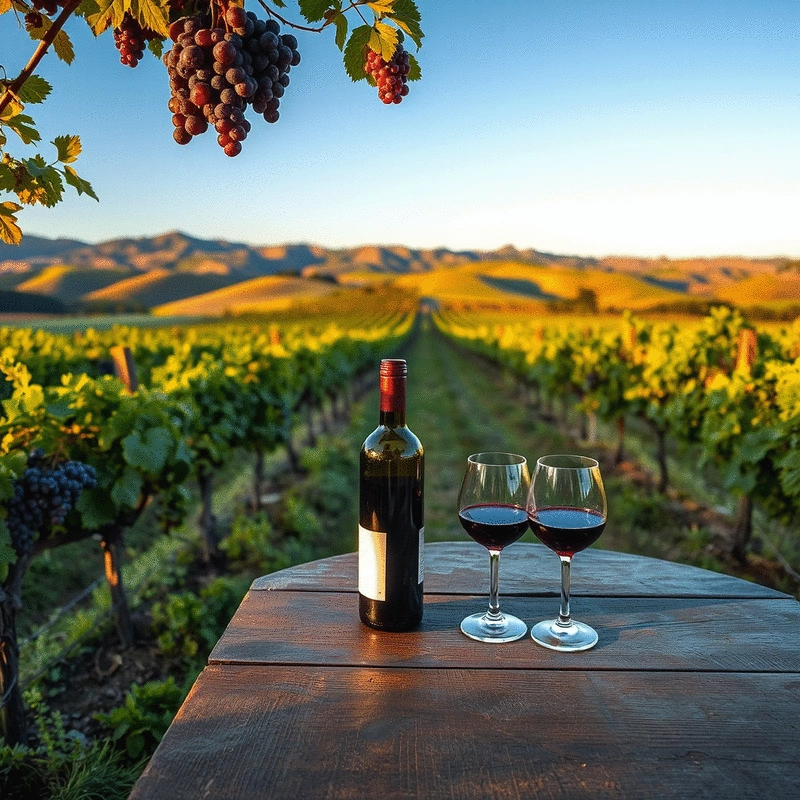
Did you know that the unique characteristics of Napa Valley wines are heavily influenced by the concept of terroir? This term encompasses everything from the soil to the climate, shaping the flavors and qualities of the wines we enjoy. Understanding terroir is crucial for every wine enthusiast eager to connect with Napa Valley's essence.
What You Will Learn
- Terroir encompasses the unique combination of soil, climate, and topography that influences wine characteristics.
- Different soil types in Napa Valley, such as clay, sandy, and loam, contribute distinct flavor profiles to the wines.
- Climate factors, including diurnal shifts, are crucial for grape ripening and the development of complex flavors.
- Napa Valley's diverse microclimates allow various grape varieties to thrive, enhancing the region's wine diversity.
- Winemaking techniques, such as fermentation temperature and oak aging, can enhance or alter the impact of terroir on wine.
- Sustainability practices are becoming increasingly important to protect Napa Valley's terroir against climate change and soil health issues.
- Exploring case studies of notable Napa Valley wines can deepen your appreciation for how terroir shapes unique tasting experiences.
Exploring the Terroir of Napa Valley Wines
The unique terroir of Napa Valley influences wine characteristics such as flavor, aroma, and texture. Below is a comparison of soil types and their impact on wine flavor profiles, as well as how climate and topography affect grape varieties. You can learn more about these influences and how they shape the region's offerings in our Napa Valley wine tasting guide.
Soil Types and Their Impact
- Clay: Retains moisture, ideal for full-bodied reds.
- Sandy: Good drainage, resulting in lighter, fruit-forward wines.
- Loam: Balanced drainage and fertility, producing diverse wine profiles.
Climate Factors
Napa Valley experiences diurnal shifts, where warm days and cool nights enhance grape ripening and flavor development, leading to balanced acidity.
Topography
The elevation and shape of Napa Valley impact air circulation and sunlight exposure, influencing the ripening of grapes and the resulting wine characteristics.
Key Grape Varieties
- Chardonnay: Thrives in cooler regions like Carneros.
- Cabernet Sauvignon: Popular in warmer regions, producing robust wines.
- Pinot Noir:1 Flourishes in the cooler microclimates of Napa.
The Role of Terroir in Shaping Napa Valley Wines
As I wander through the breathtaking vineyards of Napa Valley, I often find myself pondering the term terroir. This French word captures the essence of the land, climate, and local traditions that come together to influence the character of the wines produced in this iconic region. Understanding terroir is essential for anyone wishing to truly appreciate the unique flavors and qualities of Napa Valley wines.
So, what exactly is terroir? At its core, it refers to the combination of natural factors—including soil, climate, and topography—that impact the cultivation of grapes. Each vineyard has its own distinctive terroir, which contributes to the individuality of the wines produced. Have you ever tasted a wine and felt a connection to the land from which it came? That’s the magic of terroir!
Understanding Terroir: Definition and Significance
What is Terroir?
Terroir encompasses the environmental and human elements that shape a vineyard's identity. This includes factors like soil type, climate, and elevation, all of which work together to create a unique flavor profile in the grapes. When I taste a wine, I often think about the vineyard's terroir and how it reflects the land and culture of Napa Valley.
In essence, terroir is not just a scientific concept but also a story. It's the result of decades, if not centuries, of winemaking traditions that have been passed down through generations. Each bottle of wine tells a tale of its origin, deeply rooted in the Napa Valley landscape.
Why Terroir Matters for Napa Valley Wines
Why does terroir matter so much in Napa Valley? The answer lies in the deep connection between the land and the wine. A vineyard's terroir can influence aspects such as flavor, aroma, and even texture. This connection makes every wine tasting a unique experience, allowing enthusiasts like us to explore the nuances of each region. To truly appreciate these nuances, it helps to understand wine tasting and evaluation tips.
Furthermore, understanding terroir can enhance our appreciation for the craftsmanship involved in winemaking. When I visit local wineries and hear winemakers discuss their vineyards, I am reminded of how terroir shapes their winemaking decisions. It truly highlights the artistry behind each bottle!
The Elements of Napa Valley's Terroir
Soil Types and Their Impact on Wine Flavor Profiles
Napa Valley boasts a diverse range of soil types, each playing a crucial role in shaping the flavors of the wines. From the sandy soils of Carneros to the volcanic soils of Atlas Peak, the variations contribute to the complexity of the wines. Here are some key soil types found in Napa Valley:
- Clay: Retains moisture and nutrients, ideal for full-bodied reds.
- Sandy: Offers good drainage, often resulting in lighter, fruit-forward wines.
- Loam: A mix of sand, clay, and silt that provides balanced drainage and fertility.
Each soil type brings its own characteristics to the wine, making Napa Valley a fascinating place for wine lovers seeking diverse experiences.
Soil Composition: Key Components Affecting Terroir
The composition of the soil includes minerals, organic material, and pH levels, all of which affect how grapes grow. For instance, a vineyard with high mineral content might produce wines with enhanced minerality and complexity. This is why exploring Napa Valley’s vineyards can be both educational and enjoyable!
Every winemaker pays close attention to these components, recognizing that they can significantly alter the wine's flavor profile. Understanding the soil composition helps us appreciate the delicate balance of nature and winemaking in Napa Valley.
Climate Factors: Diurnal Shifts and Temperature Variations
Napa Valley's climate is characterized by diurnal shifts, where warm days give way to cool nights. This temperature variation is crucial for grape ripening, allowing for the development of complex flavors while maintaining acidity. It’s fascinating to think that the temperature differences can shape the wine in such impactful ways!
The region also benefits from abundant sunshine, which helps grapes ripen fully. Winemakers often use these climatic insights to choose the best grape varieties for different vineyard sites, enhancing the terroir even further.
Microclimates and Their Influence on Grape Varieties
Napa Valley is home to numerous microclimates, each with its own unique conditions. These localized factors can significantly influence which grape varieties thrive in specific areas. For example, the cooler regions like Carneros are perfect for growing Chardonnay and Pinot Noir, while the warmer regions are more suited for robust varietals like Cabernet Sauvignon.
As I explore Napa Valley, I'm constantly amazed by the way these microclimates create an environment that nurtures the grapes, resulting in distinct wines that reflect their surroundings.
Topography: How Elevation and Valley Shape Influence Ripening
The topography of Napa Valley plays a vital role in its terroir. The elevation and shape of the valley can impact air circulation, sunlight exposure, and drainage. Higher elevations often lead to cooler temperatures, which can slow ripening and contribute to more balanced acidity in the wines.
As I hike through the rolling hills, I can’t help but marvel at how these natural features contribute to the unique character of Napa Valley wines. Each elevation offers a different canvas for winemakers, resulting in a rich tapestry of flavors waiting to be explored.
Key Napa Valley AVAs and Their Unique Terroir
Coombsville: Cooler Climates and Minerality
Coombsville, located in the southeastern part of Napa Valley, is known for its cooler climate and unique terroir. This area is characterized by volcanic soils that impart a distinct minerality to the wines. You might find that wines from Coombsville are often more elegant and nuanced!
As I sip a glass from this AVA, I can taste the subtleties that reflect its cool climate, which allows for longer hang times and complex flavors in the grapes.
St. Helena: Ripe, Full-Bodied Cabernet Sauvignon
Moving to St. Helena, we encounter some of the most iconic Cabernet Sauvignon in Napa Valley. The warm climate here, paired with well-drained soils, creates the perfect environment for ripe, full-bodied wines. It’s no surprise that St. Helena is often celebrated for its rich, fruit-forward Cabernets!
As I indulge in a St. Helena Cabernet, I savor its bold flavors and plush tannins, a true testament to the terroir that's made this region famous.
Rutherford and Stags Leap: Tannin Balance and Structure
Rutherford is renowned for its distinct “Rutherford dust” character, which adds a unique earthy quality to its wines. Meanwhile, Stags Leap is famous for producing elegant wines with fine tannins and remarkable structure. Both AVAs showcase how terroir influences not only flavor but also the overall mouthfeel of a wine.
When I taste wines from these regions, I can appreciate the craftsmanship that goes into balancing flavors and tannins. It’s a delightful journey through Napa Valley's terroir!
Exploring Grape Varieties in Napa Valley
Cabernet Sauvignon: King of Napa Valley
It’s hard to discuss Napa Valley without mentioning its crown jewel: Cabernet Sauvignon. This grape thrives in the region's diverse terroirs, resulting in powerful, complex wines. With rich flavors of dark fruits and hints of oak, Cabernet Sauvignon has rightfully earned its title as the king of Napa Valley!
As I enjoy a glass of Cabernet, I often reflect on the combination of soil, climate, and winemaking techniques that create its signature profile. Each sip tells a story of the land, the people, and the passion behind its production.
Merlot and Chardonnay: The Complementary Varieties
While Cabernet Sauvignon may reign supreme, let’s not forget about the charming Merlot and lively Chardonnay. Merlot offers a softer, more approachable wine experience, often showcasing bright red fruit flavors. On the other hand, Chardonnay can range from crisp and refreshing to rich and buttery, depending on the vineyard's terroir.
These complementary varieties provide a delightful contrast to Cabernet Sauvignon, enriching the tapestry of Napa Valley wines. Each wine experience here is a chance to discover something new and exciting!
Comparing Napa Valley Terroir to Other Wine Regions
Insights from Bordeaux: Terroir Parallels and Differences
As I explore the terroir of Napa Valley, I often draw parallels with the renowned Bordeaux region in France. Both regions emphasize the importance of terroir in shaping wine characteristics. However, Napa Valley's unique climate and soil types result in distinct flavors that set it apart from Bordeaux.
Understanding these differences enriches my appreciation for both wine regions. Each has its own identity, yet both showcase the beauty of terroir in the winemaking process.
The Impact of Global Terroir Trends on Napa Valley
Global trends in viticulture and winemaking practices are also influencing Napa Valley's approach to terroir. As winemakers experiment with new techniques, they are discovering innovative ways to highlight the unique characteristics of their vineyards. It’s exciting to see how Napa Valley continues to adapt and evolve while remaining true to its roots.
By embracing both tradition and innovation, Napa Valley can create wines that reflect their terroir while also appealing to modern palates!
Challenges Facing Napa Valley Terroir
Climate Change: Effects on Terroir and Wine Production
One of the pressing challenges facing Napa Valley's terroir is climate change. Shifting weather patterns can have dramatic effects on grape ripening, soil health, and overall vineyard management. As passionate advocates for Napa Valley’s wines, we must be aware of these changes and their potential impact on future vintages. To learn more about how winemakers are tackling these issues, explore insights from sustainable winemaking in Napa Valley.
By understanding these challenges, we can appreciate the resilience of the vineyards and the dedication of winemakers who strive to maintain the quality of their wines in the face of adversity.
Soil Health Concerns: Fertility Decline and Sustainability Practices
In addition to climate change, soil health is a crucial concern for Napa Valley's terroir. The decline in soil fertility can affect vine health and grape quality. To combat these issues, many local vineyards are adopting sustainable practices, such as cover cropping and organic farming.
As I explore Napa Valley, I’m heartened by the commitment of the winemakers to protect the land and ensure the longevity of their vineyards. Supporting these sustainable practices is essential for preserving the integrity of Napa Valley's terroir for future generations.
Engaging with Terroir: Tasting and Experience
How to Taste Wine with Terroir in Mind
When tasting wine, I always encourage fellow enthusiasts to consider the terroir. Pay attention to the flavors, aromas, and textures that reflect the vineyard's unique environment. This deeper understanding enhances the tasting experience and allows us to connect more profoundly with the wine.
Next time you find yourself savoring a glass, think about the land it came from. What stories does that wine have to tell?
Sensory Evaluation: Understanding Tasting Notes and Wine Profiles
To truly appreciate the influence of terroir on wine, we must engage in sensory evaluation. This involves examining the wine's appearance, aroma, taste, and finish. By identifying specific tasting notes, we can better understand how the terroir affects the overall profile of the wine.
As I practice this technique, I’m always amazed by the layers of flavor that emerge, showcasing the vineyard’s unique characteristics.
Case Studies: Notable Napa Valley Wines and Their Terroir Influences
There’s nothing quite like diving into case studies of notable Napa Valley wines, each reflecting their terroir in distinct ways. Exploring how specific winemakers interpret the land gives us insight into both the art and science of winemaking. Here are a few examples:
- Opus One: A Bordeaux-style blend highlighting the power of Napa Valley's terroir.
- Chateau Montelena: Known for its Chardonnay that showcases minerality and elegance.
- Stag's Leap Wine Cellars: Renowned for its Cabernet Sauvignon with fine tannins and complexity.
Each of these wines tells a story of its terroir, inviting us to savor the experience and appreciate the craftsmanship behind every bottle.
Quick Summary
Here's a brief recap of the key points discussed so far:
- Terroir Defined: Terroir is the unique combination of soil, climate, and topography that influences the character of wines in Napa Valley.
- Soil Types: Different soil types, such as clay, sandy, and loam, contribute to the complexity of Napa Valley wines.
- Climate and Microclimates: Diurnal shifts and microclimates play a critical role in grape ripening and varietal selection, impacting flavor profiles.
Frequently Asked Questions (FAQs) About Napa Valley Terroir
- What is terroir in the context of Napa Valley wines?
- Terroir refers to the unique combination of natural factors (soil, climate, topography) and human elements (winemaking traditions) that influence the characteristics of wines produced in Napa Valley.
- How do soil types affect Napa Valley wines?
- Different soil types, such as clay, sandy, and loam, contribute distinct characteristics to the wines. Clay retains moisture for full-bodied reds, sandy soils lead to lighter, fruit-forward wines, and loam provides balanced drainage for diverse profiles.
- What role do climate factors play in Napa Valley's terroir?
- Napa Valley's climate features diurnal shifts (warm days, cool nights) that are crucial for grape ripening, allowing complex flavors to develop while maintaining essential acidity. Abundant sunshine also helps grapes ripen fully.
- Why are microclimates important in Napa Valley?
- Napa Valley has numerous microclimates, each with unique conditions that favor specific grape varieties. For example, cooler regions like Carneros are ideal for Chardonnay and Pinot Noir, while warmer areas suit Cabernet Sauvignon.
- What are some challenges facing Napa Valley's terroir?
- Key challenges include climate change, which affects grape ripening and soil health, and concerns over soil fertility decline. Sustainable practices are being adopted to mitigate these issues and preserve the terroir for future generations.
The Continuing Influence of Terroir on Napa Valley's Wine Legacy
As we dive deeper into the world of Napa Valley wines, it’s essential to understand how terroir continues to influence the legacy of this iconic wine region. Terroir is much more than just a buzzword; it’s the soul of the wine, encapsulating everything from the soil and climate to the very essence of the grapes. Here, we will explore how winemakers balance this natural influence with their own expertise to create wines that not only reflect their origins but also push the boundaries of what is possible.
At Vineyard Vistas Blog, I often find myself marveling at how every bottle of wine carries a story, connecting us to the land from which it came. This connection is deeply rooted in the winemaking process itself, where each decision made in the cellar can enhance or alter the influence of terroir. So, what happens when the magic of nature meets the skill of the winemaker?
Balancing Terroir and Winemaker Intervention
To truly appreciate Napa Valley wines, it’s crucial to understand how the winemaking process interacts with terroir. This balance is delicate; winemakers must respect the unique characteristics of their vineyards while also utilizing their techniques to achieve their desired flavor profiles. Techniques such as fermentation methods, aging processes, and blending strategies can all play significant roles in shaping the final product.
Here are some common winemaking techniques that highlight this interaction:
- Fermentation Temperature: Adjusting the temperature during fermentation can influence the extraction of flavors from the grapes.
- Oak Aging: The use of different types of oak barrels can impart unique flavors that complement the terroir.
- Harvest Timing: Choosing the right moment to harvest grapes ensures optimal sugar levels and acidity, directly reflecting the terroir.
Many Napa winemakers successfully navigate this balance, and their stories are often inspiring. For instance, there are examples of vineyards where the winemakers have embraced their terroir-driven approach, allowing the unique characteristics of their grapes to shine through while still adding their personal touch. Discover more about these dedicated individuals and their craft by exploring Napa Valley's notable winemakers today.
Case Examples of Terroir-Driven Winemaking in Napa
When we think about terroir-driven winemaking, several standout examples come to mind. Here are a few Napa Valley wineries that have mastered this art:
- Vineyard A: Focuses on minimal intervention, letting the terroir express itself with little alteration in the cellar.
- Vineyard B: Uses specific aging techniques that enhance the natural minerality found in their soil.
- Vineyard C: Adapts their blending process to highlight individual varietals that thrive in specific microclimates.
These wineries serve as proof that respecting the land while applying thoughtful winemaking techniques can lead to truly exceptional wines. Each bottle tells a tale of both the earth and the hands that nurtured it.
Future of Napa Valley Wines and Terroir
Looking ahead, the future of Napa Valley wines is intertwined with the evolution of its terroir. As environmental factors continue to shift, we must consider how these changes will impact the wines we love. Will our cherished Cabernet Sauvignon maintain its character? It’s a thought-provoking question! Environmental changes, like climate fluctuations, can alter everything from grape ripening to flavor profiles.
Here are a few anticipated changes that could shape the future of Napa Valley’s terroir:
- Temperature Increases: Warming temperatures may lead to earlier harvests and changes in grape composition.
- Water Scarcity: Droughts could affect irrigation practices, ultimately influencing wine quality.
- Invasive Species: New pests and diseases may threaten existing vineyards, pushing winemakers to adapt.
To safeguard the future of this cherished wine region, sustainability practices will play a crucial role. Adopting eco-friendly farming methods ensures that Napa Valley can continue to produce exceptional wines while preserving its unique terroir for generations to come.
The Importance of Sustainable Practices for Future Generations
As a wine enthusiast, I can’t stress enough how vital it is to prioritize sustainable practices in winemaking. This commitment not only protects the environment but also enhances the quality of the wines we enjoy. By focusing on sustainability, winemakers can ensure that Napa Valley remains a premier wine destination while nurturing the land that makes it all possible.
Some sustainable practices currently gaining traction include:
- Organic Farming: Reducing chemical use promotes healthier soil and grapevines.
- Biodynamic Practices: Farming in harmony with nature, encouraging biodiversity and ecological balance.
- Water Conservation: Implementing efficient irrigation systems to minimize water waste.
These practices not only benefit the environment but also enhance the flavor and complexity of the wines, ultimately enriching our tasting experiences.
Encouraging Engagement and Further Exploration
As we wrap up this exploration of terroir in Napa Valley wines, I invite you to share your own thoughts and experiences! Have you noticed how terroir influences your favorite wines? What stories do you have that connect you to this beautiful region? Your insights can help foster a deeper conversation about the magic of Napa Valley.
If you’re eager to learn more about Napa Valley wines and the fascinating concept of terroir, there are plenty of resources available. Here are a few to get you started:
- Wine Tours: Experience the vineyards firsthand and taste the terroir in every sip. For unique experiences, consider exploring Napa's unique vineyard tours.
- Wine Education Classes: Enroll in workshops that delve into winemaking and terroir.
- Books and Blogs: Explore literature that covers the intricacies of Napa Valley wines and their origins.
At Vineyard Vistas Blog, we are excited to continue this journey with you, celebrating the unique terroir of Napa Valley and its incredible wines. The vineyards await, ready to share their stories and flavors with you!
Recap of Key Points
Here is a quick recap of the important points discussed in the article:
- Understanding Terroir: Terroir encompasses the natural and human factors that shape a vineyard's identity, including soil, climate, and topography.
- Importance of Soil Types: Different soil types in Napa Valley significantly influence the flavor profiles of the wines produced.
- Climate Factors: Diurnal shifts and temperature variations play a crucial role in grape ripening, affecting the final wine's complexity.
- Microclimates: Napa Valley's numerous microclimates allow for a variety of grape varieties to thrive in specific areas.
- Winemaking Techniques: The balance between terroir and winemaker intervention is key, with techniques such as fermentation temperature and oak aging enhancing the unique characteristics of each wine.
- Sustainability Practices: The future of Napa Valley wines relies on sustainable practices to preserve terroir and adapt to climate challenges.

Lucia Carrington
As a passionate wine enthusiast and connoisseur, I invite you to join me on a journey through the breathtaking vineyards of Napa Valley. With years of experience exploring this iconic region, I share my insights and expertise to inspire fellow wine lovers. Discover the beauty and complexity of Napa Valley’s wine scene, from engaging profiles of local winemakers to tips on enhancing your wine tasting experience. Let's celebrate the artistry of winemaking together!