Engage with the 5 S's
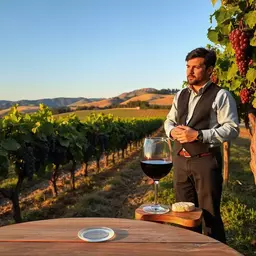
See, Swirl, Sniff, Sip, and Savor are your best friends in the tasting process.
Wine tasting is not merely about drinking; it’s an immersive experience that engages the senses and reveals the stories behind each bottle. Whether you’re a curious beginner or a seasoned enthusiast, understanding the nuances of wine can greatly enhance your appreciation and enjoyment. Are you ready to elevate your tasting game?
Here are the essential points to remember when it comes to best practices in wine tasting. For a comprehensive guide to experiencing Napa Valley's renowned wineries, check out our Napa Valley wine tasting guide.
See, Swirl, Sniff, Sip, and Savor are your best friends in the tasting process.
Regular practice and note-taking can greatly improve your palate.
Consider using the aroma wheel to help identify different scents and flavors.
Always seek to learn more about the wine you’re tasting and the stories behind it.
Wine tasting is more than just sipping; it's a delightful journey into the depths of flavor and aroma. When you take the time to evaluate wine, you open the door to understanding its unique qualities. Each glass tells a story, reflecting the care and passion of the winemakers behind it. Have you ever thought about what makes a wine exceptional?
At Vineyard Vistas Blog, we believe that every wine carries the essence of its vineyard. Evaluating wine helps you appreciate the craftsmanship involved, leading to a richer experience. By focusing on various elements of the wine, you can uncover the intricacies that make each sip special. Let’s dive deeper into the importance of these evaluation practices!
Implementing best practices in wine tasting can significantly enhance your appreciation of this beloved beverage. Just like a painter uses a palette of colors, you can use tasting methodologies to uncover layers of flavor. By adhering to a structured approach, you can transform your tasting journey from a casual experience into a refined art.
These best practices not only elevate your tasting skills but also enrich your discussions with fellow wine enthusiasts. By learning to articulate what you taste, you can share your experiences more effectively. So, are you ready to embrace these best practices on your next visit to a vineyard? For more tips, explore our guide on vineyard wine tasting tips for beginners.
The concept of terroir plays a crucial role in what makes each wine unique. Terroir refers to the combination of geographic and climatic factors that influence grape growing. From the rolling hills of Napa Valley to the sun-drenched slopes of Bordeaux, the environment shapes the flavors we find in our glasses.
Here’s how geography and climate come into play:
As you explore various wine regions, keep in mind the terroir of each area. It’s fascinating to see how these elements combine to create wines with distinct personalities. Have you ever tasted a wine and wondered where it came from? Understanding the land behind the glass can deepen your appreciation immensely!
When evaluating a wine, take a moment to consider its balance. A well-balanced wine has a harmonious relationship between its acidity, sweetness, tannins, and alcohol. This balance is often what makes a wine enjoyable and memorable. Next time you taste, ask yourself: Does one component overpower the others, or do they work together seamlessly?
As we wrap up our exploration of the wine tasting process, I hope you feel inspired to embrace these best practices! Whether you are a novice or have some experience under your belt, understanding the essential elements of wine evaluation can greatly enhance your appreciation of each sip. Remember to take your time, savor the flavors, and enjoy the journey of learning more about this beautiful craft.
Reflecting on what we’ve covered, it's clear that effective wine tasting is not just about drinking; it’s about engaging with the wine on multiple levels. From the visual cues to the final taste, each step contributes to a richer experience. Have you found a favorite tip or technique that resonates with you? I encourage you to incorporate these practices into your next vineyard visit or at home while enjoying a bottle.
Let’s take a moment to highlight some of the key points we've discussed:
By keeping these takeaways in mind, you can enhance your wine tasting skills and deepen your appreciation for Napa Valley's exceptional offerings. Each bottle tells a story, and with these practices, you’ll be better equipped to uncover the layers behind each sip. For more insights on selecting wines, check out our guide on selecting wine for tasting events.
Wine tasting is a lifelong adventure, and there’s always more to learn! I invite you to seek out local classes, workshops, and tasting events. These experiences not only bolster your knowledge but also connect you with fellow wine lovers who share your passion.
Here are a few ways to continue your wine education:
At Vineyard Vistas Blog, we’re always excited to share new findings and encourage our readers to delve deeper into the world of wine. So, keep your curiosity alive and embrace every opportunity to learn!
In today’s digital age, there are fantastic tools and apps available to help you organize your tasting notes and evaluations. These resources can make wine tasting even more engaging and efficient.
Using these tools not only helps you keep track of your favorites but also connects you with other wine enthusiasts in the community. Have you tried any of them? I’d love to hear which ones you find most useful!
Many of you may have questions about wine tasting techniques, and I’m here to help! Here are some frequently asked questions that I often hear:
Feel free to reach out with any other questions you may have as you explore the world of wine. Learning is a continuous journey, and I’m excited to share it with you!
Finally, if you’re eager to dive deeper into the wine community, consider participating in local or international wine tasting events and competitions. They offer a fun way to challenge your palate and meet fellow enthusiasts.
Participating in these events can enrich your understanding and appreciation of wine. I encourage you to check out upcoming events in Napa Valley and join in on the fun! For an overview of what to expect on your first visit, check out our first Napa Valley wine tasting tips. Cheers to your next tasting adventure!
Here is a quick recap of the important points discussed in the article:
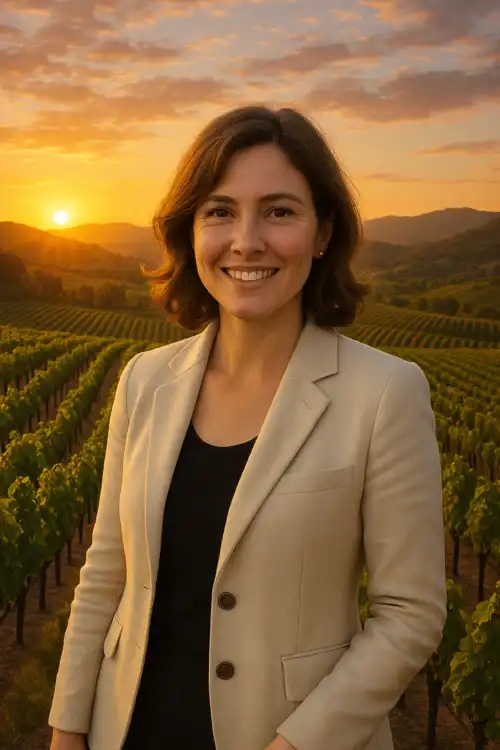
As a passionate wine enthusiast and connoisseur, I invite you to join me on a journey through the breathtaking vineyards of Napa Valley. With years of experience exploring this iconic region, I share my insights and expertise to inspire fellow wine lovers. Discover the beauty and complexity of Napa Valley’s wine scene, from engaging profiles of local winemakers to tips on enhancing your wine tasting experience. Let's celebrate the artistry of winemaking together!