Terroir's Role in Napa Wines
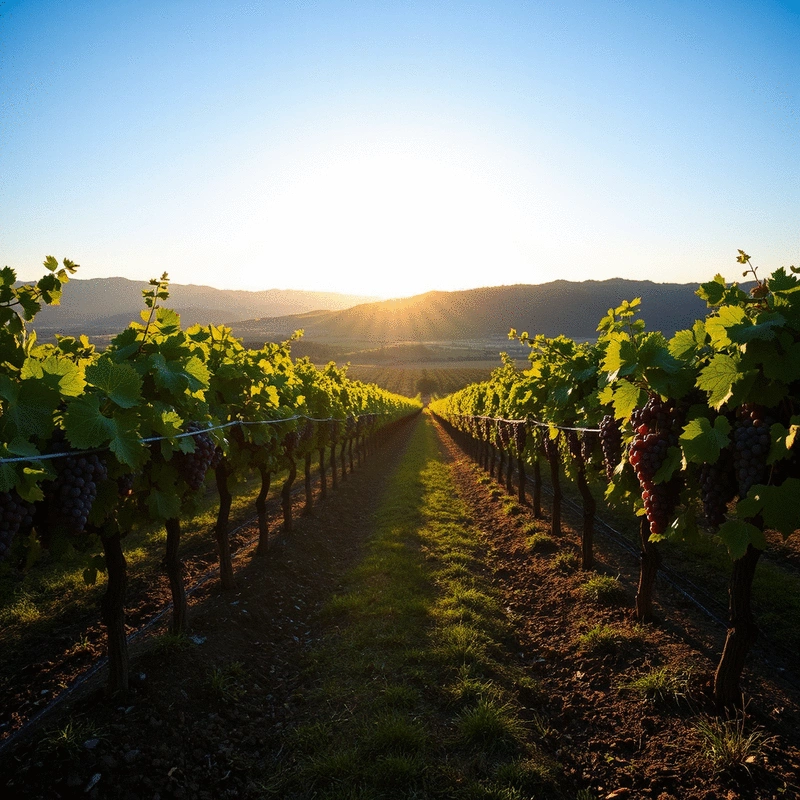
Have you ever taken a moment to savor the complexities of a glass of wine? The journey from grape to bottle is enriched by the unique environment in which the grapes are grown, known as terroir. In Napa Valley, this concept is paramount to understanding the distinct flavors and characteristics of its wines.
What You Will Learn
- Understanding Terroir: Terroir encompasses the soil, climate, and topography that influence grape growth, crucial for appreciating Napa Valley wines.
- Soil Types Matter: Different soil types like clay, sandy, and volcanic drastically affect the flavor profiles and characteristics of the wines produced.
- Climate's Role: Napa Valley's Mediterranean climate provides an ideal growing season, leading to well-balanced and flavorful grapes.
- Microclimates Create Diversity: Variations in elevation and location within Napa Valley contribute to diverse flavor nuances found in the wines.
- AVA Exploration: Each American Viticultural Area (AVA) in Napa Valley has unique traits that shape the wines, offering distinct experiences for wine lovers.
- Consumer Connection: Understanding terroir helps consumers appreciate the story and craftsmanship behind each bottle, influencing their purchasing decisions.
- Impact of Vintage: The vintage year can significantly influence a wine's aroma and flavor, as weather conditions change the growing environment.
- Engagement Opportunities: Wine tourism allows enthusiasts to explore Napa Valley’s terroir through tastings, vineyard tours, and local festivals.
The Impact of Terroir on Napa Valley Wines
Understanding how various factors such as soil, climate, and topography affect the characteristics of wines from different regions in Napa Valley.
Soil Types and Their Influences
- Clay Loam: Richness and depth
- Sandy Soils: Bright fruit flavors
- Volcanic Soils: Unique minerality and complexity
Climate Effects on Wine Characteristics
The Mediterranean climate in Napa Valley is ideal for grape growing, resulting in wines with a balance of sweetness and tartness.
Valley Floor vs. Mountain Vineyards
- Valley Floor: Softer, fruit-forward wines from fertile soils.
- Mountain Vineyards: Complex, robust wines from higher elevations.
Key Grape Varieties and Their Preferred Soils
- Cabernet Sauvignon: Thrives in well-drained soils.
- Chardonnay: Prefers more fertile soils.
- Pinot Noir: Flourishes in cooler microclimates.
Understanding the Influence of Terroir on Napa Valley Wines
As a wine enthusiast and connoisseur, I've always been fascinated by the concept of terroir. It's not just a fancy French term; it embodies the unique essence of the land where grapes are grown. Understanding terroir is essential to appreciating Napa Valley wines, as it plays a crucial role in defining the flavors and characteristics of our beloved wines. So, what exactly is terroir, and why is it so important in winemaking?
Defining Terroir and Its Importance in Winemaking
What is Terroir?
At its core, terroir refers to the environmental factors that influence a vineyard's grapes. This includes soil, climate, and even the topography of the region. In Napa Valley, the diversity of terroir creates a rich tapestry of flavors in our wines. Have you ever wondered why a Cabernet Sauvignon from Rutherford tastes different from one from Stags Leap District? It’s all about the terroir! To deepen your appreciation, consider following a Napa Valley Wine Tasting Guide.
The Role of Terroir in Shaping Wine Characteristics
Terroir doesn't just contribute to the flavor profile; it also affects the acidity, tannins, and overall structure of the wine. The relationship between the land and the grapevines is a beautiful dance. Each vineyard tells its own story through the wine it produces. Isn’t it fascinating how the same grape varietal can yield such different experiences based on where it was grown?
Exploring the Components of Napa Valley Terroir
Soil Diversity: Types of Soils in Napa Valley
Napa Valley is blessed with a variety of soils, each imparting unique characteristics to the wines. Some of the predominant soil types include:
- Clay Loam: Retains moisture and provides richness to the wines.
- Sandy Soils: Allow for better drainage, producing lighter, fruitier wines.
- Volcanic Soils: Impart minerality and complexity to the flavors.
Isn’t it amazing how these different soils can create such diverse wines? The interplay between soil and grape varietal is a key factor in what makes Napa Valley wines so special!
Soil Composition: How Different Soils Affect Grape Varieties
The composition of the soil directly impacts which grape varieties flourish. For instance, Cabernet Sauvignon thrives in well-drained soils with good nutrient content, while Chardonnay tends to do well in more fertile soils. Each varietal has its own preference, and it’s this relationship that ultimately shapes the wines we love. Have you ever tasted a Chardonnay and wondered why it tasted so different from one made elsewhere? The soil is often the answer! For those looking to refine their palate, understanding these nuances can greatly enhance your wine tasting and evaluation tips.
Climate: The Mediterranean Influence on Napa Valley Grapes
The climate in Napa Valley is classified as Mediterranean, characterized by warm, dry summers and cool, wet winters. This climate is perfect for grape growing, as it allows the grapes to ripen fully while retaining acidity. It’s why Napa wines often have such a delightful balance of sweetness and tartness. Can you imagine sipping a glass while enjoying the beautiful Napa landscape?
Microclimates: How Topography Affects Wine Flavors
One of my favorite aspects of Napa Valley is its microclimates. These small-scale variations in climate can have a significant impact on the grapes. Factors like elevation, proximity to the ocean, and even the direction a vineyard faces can lead to unique flavor profiles. For example, vineyards on the valley floor often produce fruitier wines, while those on the hillsides tend to have more structure and depth. It’s like a treasure hunt for flavors!
Comparative Analysis of Napa Valley AVAs
Valley Floor vs. Mountain Vineyards: How Location Impacts Wine Quality
Napa Valley's diverse geography is home to numerous American Viticultural Areas (AVAs), each with its own distinct characteristics. The two primary locations you’ll encounter are:
- Valley Floor: Known for fertile soils and lush vineyards, often producing softer, fruit-forward wines.
- Mountain Vineyards: These vineyards sit at higher elevations, yielding wines with more complexity and robust flavors.
This contrast is what makes exploring Napa Valley so exciting—there’s a little something for everyone!
Unique AVA Characteristics: The Signature Traits of Rutherford, Oakville, and Stags Leap District
Each AVA in Napa Valley boasts unique traits that contribute to the wines produced there. For instance:
- Rutherford: Known for its "Rutherford dust," which adds a distinct earthy quality to Cabernet Sauvignon.
- Oakville: Renowned for producing high-quality Cabernet Sauvignons with rich fruit flavors.
- Stags Leap District: Famous for its elegant and structured Cabernets that are often age-worthy.
Exploring these AVAs offers an enriching experience, allowing you to appreciate the subtleties in each wine. Have you visited any of these regions? Each one feels like a unique chapter in the story of Napa Valley!
Exploring Napa Valley Grape Varieties: Cabernet Sauvignon, Chardonnay, and Pinot Noir
While Napa Valley is celebrated for many grape varieties, a few stand out as the stars of the show:
- Cabernet Sauvignon: The king of Napa, known for its bold flavors and aging potential.
- Chardonnay: Offers a range from crisp and fruity to rich and buttery.
- Pinot Noir: A delicate varietal that thrives in cooler microclimates.
Each grape reflects the terroir from which it hails, making every sip a journey through Napa Valley’s landscape. So, what’s your favorite grape variety? Each one tells its own story of the land!
Case Studies: Terroir’s Impact on Cabernet Sauvignon
Flavor Profiles Associated with Different Soil Types
When it comes to Cabernet Sauvignon, the influence of terroir is particularly profound. Depending on the soil type, you might taste:
- Clay soils: Richness and depth
- Sandy soils: Bright fruit flavors
- Volcanic soils: Unique minerality and complexity
Isn’t it incredible how soil can shape the very essence of a wine? It’s like each bottle holds the secret of its land!
Age-Worthiness and Tannins: Insights from Howell Mountain and Diamond Mountain
Cabernets from Howell Mountain and Diamond Mountain are prime examples of how terroir can influence a wine's aging potential. The tannins in wines from these regions are often more pronounced, resulting in:
- A deeper, richer mouthfeel
- Longer aging potential
- Complex flavor development over time
Have you ever savored a perfectly aged Cabernet? It’s a testament to the power of terroir!
Impact of Oak Aging on Cabernet Sauvignon's Flavor Profile
Lastly, let’s talk about oak aging, which can enhance the flavors of Cabernet Sauvignon. The combination of terroir and oak can lead to:
- Notes of vanilla and spice
- Improved complexity and depth
- A smoother finish
Isn’t it amazing how the choice of aging can transform a wine? Each bottle is a reflection of both the land and the winemaking process!
Common Questions About Terroir and Napa Valley Wines
How Does Climate Change Affect Napa Valley Terroir?
Climate change is an important factor that affects the delicate balance of terroir. It can lead to shifts in grape ripening times and influence the overall quality of the wines. Staying informed about these changes is crucial for both winemakers and wine lovers.
What Can Wine Consumers Expect from Terroir-Driven Pricing?
Terroir-driven wines often come with a premium price tag. This is because of the unique qualities and limited production associated with specific AVAs. Understanding this can help consumers appreciate the value behind each bottle they purchase.
The Influence of Sustainable Practices on Napa Valley Terroir
More wineries are adopting sustainable practices, which can have a positive impact on the terroir. These practices help preserve the environment while enhancing the quality of the wines. It’s a win-win for both the land and wine lovers!
As we delve into the essence of terroir, I hope you find yourself inspired to explore the countless layers of flavor that Napa Valley has to offer. After all, each vineyard has its own story to share, and every bottle is a reflection of that beautiful landscape! So, are you ready to sip and savor the magic of Napa Valley wines?
Quick Summary
Here's a brief recap of the key points discussed so far:
- Terroir Definition: Terroir encompasses the unique environmental factors, including soil, climate, and topography, that influence grape growing.
- Soil Types: Napa Valley's diverse soils, such as clay loam, sandy, and volcanic, impart distinct characteristics to the wines produced.
- Climate Impact: The Mediterranean climate of Napa Valley allows for optimal grape ripening, contributing to the delightful balance of flavors in the wines.
- Microclimates: Variations in topography create microclimates that lead to unique flavor profiles, enhancing the complexity of Napa Valley wines.
Frequently Asked Questions About Napa Valley Terroir
- What is terroir and why is it important in Napa Valley winemaking?
- Terroir refers to the environmental factors—soil, climate, and topography—that influence a vineyard's grapes. It's crucial in Napa Valley as it defines the distinct flavors, acidity, tannins, and overall structure of its wines, making each region unique.
- How do different soil types affect Napa Valley wines?
- Napa Valley boasts diverse soils like clay loam (for richness), sandy soils (for lighter, fruitier wines), and volcanic soils (for minerality and complexity). Each soil type imparts unique characteristics, influencing the flavor profile and texture of the grapes.
- What role does climate play in Napa Valley's wine characteristics?
- Napa Valley's Mediterranean climate, with warm, dry summers and cool, wet winters, is ideal for grape growing. This climate allows grapes to ripen fully while retaining acidity, resulting in wines with a delightful balance of sweetness and tartness.
- How do microclimates contribute to the diversity of Napa Valley wines?
- Microclimates, influenced by factors like elevation, proximity to the ocean, and vineyard direction, create small-scale variations in climate. These variations lead to unique flavor profiles; for example, valley floor vineyards produce fruitier wines, while hillside vineyards yield more structured and deep wines.
- What are AVAs, and how do they relate to terroir in Napa Valley?
- AVAs (American Viticultural Areas) are designated wine grape-growing regions. Each AVA in Napa Valley, such as Rutherford, Oakville, and Stags Leap District, has distinct terroir characteristics that shape the unique traits of the wines produced there, offering diverse experiences for wine lovers.
- How does terroir influence the aging potential of Napa Valley Cabernet Sauvignon?
- Terroir significantly impacts a wine's aging potential. For instance, Cabernets from Howell Mountain and Diamond Mountain, due to their specific terroir, often have more pronounced tannins, leading to a deeper mouthfeel, longer aging potential, and complex flavor development over time.
Summarizing the Impact of Terroir on Wine Quality and Aging Potential
As we dive into the essence of terroir within Napa Valley, it's essential to recognize how it intricately shapes the overall quality and aging potential of wines. The relationship between soil, climate, and geographical factors is crucial in defining a wine's character. Each bottle tells a story of its origin, deeply rooted in the unique conditions of its vineyard, which is something I truly admire about our local wines.
Key Takeaways on Napa Valley Terroir
Understanding the impact of terroir on wine is like peeling back layers to reveal the core of what makes Napa Valley wines so special. Here's what I've gathered about the relationship between different elements of terroir:
- Soil: The type of soil contributes to the flavor profile and texture of the grapes, which directly affects the wine.
- Climate: The warm Mediterranean climate allows for a long growing season, enhancing grape ripeness and flavor concentration.
- Topography: Variations in elevation and slope can create microclimates, leading to distinct flavor nuances in wines.
As I explore vineyards in Napa Valley, I find it fascinating to discover how these elements come together to produce wines with incredible depth. This knowledge also helps wine enthusiasts like us understand why certain wines are priced higher; it's all about the craftsmanship influenced by these natural resources.
The Relationship Between Soil, Climate, and Wine Characteristics
The interplay between soil and climate is a dance that every vine participates in. Each grape variety thrives in specific conditions, resulting in a rich tapestry of flavors. For instance, Cabernet Sauvignon from the rocky soils of Howell Mountain yields more intense and age-worthy wines, while cooler regions might produce more elegant and fruity profiles. Isn't it amazing how location can lead to such diversity in wine? You can delve deeper into this when you explore vineyard tours in Napa.
How Terroir Influences Consumer Choices and Pricing in the Wine Market
As wine consumers, our choices are often swayed by the unique characteristics imparted by terroir. When we pick a bottle of wine, we're not just selecting a drink; we're selecting a story, a connection to the earth and climate from which it came. This connection can justify the price of a bottle, especially for those high-quality wines that showcase a profound sense of place.
Understanding Vintage and Its Effect on Wine Aroma and Flavor
The concept of vintage is another fascinating layer in the world of wine. A vintage year can significantly influence the aroma and flavor, as variations in weather lead to different growing conditions. For example, a cooler year may produce wines with more acidity, while a warmer year could lead to riper fruit flavors. As I taste through various vintages, I appreciate how each year brings its own unique signature to the wines we love.
Encouraging Engagement and Further Exploration
Visualizing terroir can greatly enhance our understanding of Napa Valley wines. Infographics and maps showing the diverse soil types and climates make this complex concept more approachable. Have you ever looked at a map of the region and thought about how each area contributes to what’s in your glass? It’s a fun way to connect with our local wine culture!
Visualizing Terroir: Infographics and Maps of Napa Valley
Engaging with visual aids can really enhance our appreciation for the intricacies of terroir. Consider exploring:
- Maps highlighting Napa Valley's various AVAs.
- Infographics showcasing soil types and their respective grape varieties.
- Visual representations of climate data and its impact on vintages.
These resources not only make learning fun but also inspire us to visit specific vineyards that resonate with our personal preferences.
Expert Insights: Quotes from Napa Winemakers on Vintage and Terroir Variations
Hearing directly from Napa winemakers about their experiences with terroir can be enlightening! Their insights often shed light on how they navigate the challenges and joys of winemaking. Here are a few nuggets of wisdom you might come across:
- "Every vintage tells a different story; it's our job to listen." - Napa Winemaker
- "Soil health is the heartbeat of our vineyard." - Local Viticulturist
- "The land gives us direction; it’s our responsibility to honor it." - Winemaker
These profound connections to the land remind me why I love sharing the Napa Valley experience through the Vineyard Vistas Blog. It’s about celebrating our wines and the talented people behind them!
Wine Tourism: Exploring Napa Valley's Terroir Through Tastings and Festivals
Wine tourism offers a fantastic opportunity to experience terroir firsthand! Engaging in tastings and local festivals allows us to appreciate the diverse offerings of Napa Valley. Here are a few ways to immerse yourself:
- Participating in vineyard tours that explain the significance of terroir.
- Attending wine festivals that celebrate local varietals and terroir characteristics.
- Joining tastings that focus on different AVAs and their unique profiles.
These experiences deepen our understanding and appreciation of the wines we enjoy, making each sip a journey through Napa Valley's enchanting landscapes. To make the most of your visits, consider these vineyard wine tasting tips for beginners.
Call to Action: Deepen Your Understanding of Napa Valley Wines
Are you ready to enhance your wine-tasting adventure? It’s time to engage actively with the world of Napa Valley wines. Here’s how you can start:
Join Wine Tastings Focused on Terroir Characteristics
Seek out local tastings that emphasize the impact of terroir on different varietals. This not only broadens your palate but also connects you to the story behind each sip.
Engage with Local Wine Experts to Learn More About Terroir's Role
Don't hesitate to ask questions during your visits! Local wine experts are often eager to share their knowledge about how terroir influences the wines you love. Their insights can enrich your experience and deepen your appreciation. For more insights, explore Napa Valley winemakers: a closer look.
As we continue to explore the beauty of Napa Valley through the lens of terroir, let’s embrace the stories and connections that make each bottle of wine special. Cheers to our ongoing journey in this magnificent wine country!
Recap of Key Points
Here is a quick recap of the important points discussed in the article:
- Terroir Definition: Terroir encompasses the environmental factors—soil, climate, and topography—that influence grape growth and wine characteristics.
- Soil Types: Napa Valley features diverse soils like clay loam, sandy soils, and volcanic soils, each impacting the flavor and texture of wines.
- Mediterranean Climate: The warm, dry summers and cool, wet winters in Napa Valley are ideal for grape growing, balancing sweetness and acidity in wines.
- Microclimates: Differences in elevation and geography lead to unique flavor profiles, with valley floor vineyards producing fruitier wines compared to those on the hillsides.
- AVA Characteristics: Different American Viticultural Areas (AVAs) like Rutherford, Oakville, and Stags Leap District have distinctive traits that shape their wines.
- Impact on Aging: Terroir significantly influences the aging potential and flavor complexity of wines, especially in regions like Howell Mountain and Diamond Mountain.
- Consumer Awareness: Understanding terroir can enhance appreciation for wines and justify their pricing, reflecting the craftsmanship behind each bottle.

Lucia Carrington
As a passionate wine enthusiast and connoisseur, I invite you to join me on a journey through the breathtaking vineyards of Napa Valley. With years of experience exploring this iconic region, I share my insights and expertise to inspire fellow wine lovers. Discover the beauty and complexity of Napa Valley’s wine scene, from engaging profiles of local winemakers to tips on enhancing your wine tasting experience. Let's celebrate the artistry of winemaking together!