Climate Factors
- Warm days for ripening
- Cool nights preserve acidity
- Seasonal rains for soil moisture
- Abundant sunlight for flavor development
The Napa Valley region is not just a picturesque destination; it's a vibrant hub of winemaking, known for its deep-rooted history and innovative practices. With its unique climate and diverse grape varieties, Napa Valley has become synonymous with quality wine. As you delve into the factors influencing grape selection, you'll uncover the intricate dance between nature and the winemaker’s art.
The selection of grape varieties in Napa Valley is influenced by several key factors. Below is a visual representation of these influences. To learn more about how winemakers approach these choices, check out our insights on Napa Valley winemaking insights.
Napa Valley is not just a beautiful spot; it’s a powerhouse in the wine world! The region is renowned for its exceptional wines and has earned a coveted reputation among wine enthusiasts globally. With over 400 wineries, Napa Valley produces about 4% of California's wine, yet it's responsible for a staggering 30% of the state's wine revenue. Isn’t that impressive? The combination of stunning landscapes, a rich history, and passionate winemakers makes it a truly unique place to explore the art of winemaking!
Napa Valley has carved its name in the annals of wine history. Known for its unparalleled terroirs and innovative winemaking techniques, this region attracts both connoisseurs and casual wine lovers alike. The influence of Napa Valley extends beyond its borders, shaping trends and standards within the global wine industry.
On a personal note, every time I stroll through the vineyards, I can feel the history and passion that breathes life into each bottle of wine. It’s fascinating to see how Napa Valley has transformed over the years while keeping its roots intact. For those looking to dive deeper into the region's offerings, a Napa Valley wine tasting guide can be incredibly helpful.
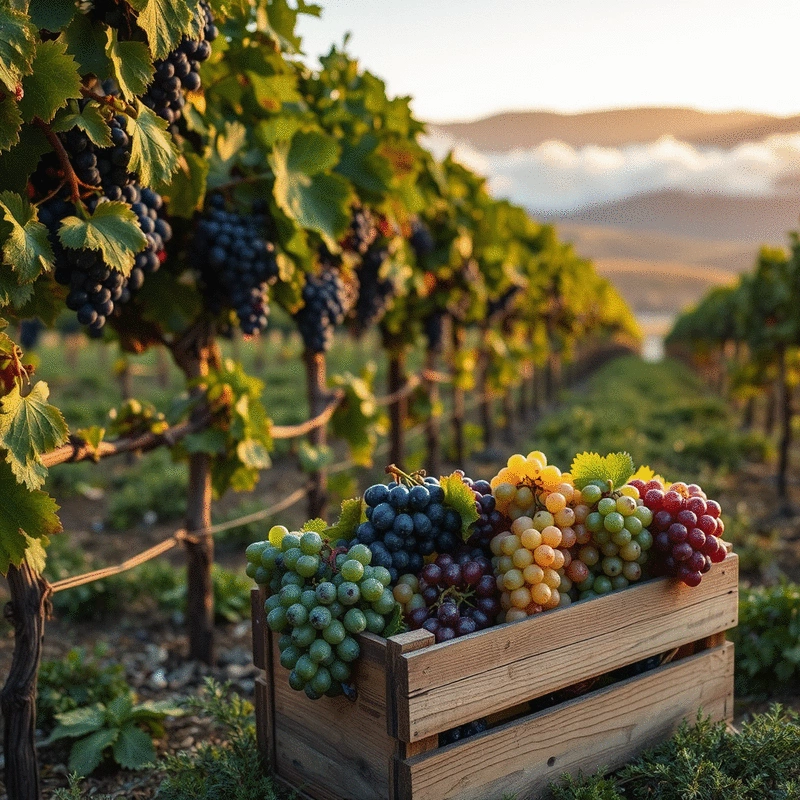
When we think of Napa Valley, certain grape varieties often come to mind. These grapes not only thrive in the region's unique conditions but also help define its wine identity. The most prominent varieties include:
These varieties not only reflect the region's climate but also the passion of the winemakers who nurture them. As I wander through the vineyards, I often marvel at the diversity of these grapes and how they contribute to the rich tapestry of flavors that make Napa Valley wines so special.
The Mediterranean climate of Napa Valley is a vital factor in grape variety selection. The region benefits from warm, dry summers and cool, wet winters, creating ideal conditions for grape growing. Temperature fluctuations between day and night are critical, allowing grapes to develop their flavors and acidity. Key climate influences include:
This climate is a dream for many grape varieties, allowing them to express their true potential. Whenever I visit Napa, I can't help but notice how the weather seems to work in harmony with the land, nurturing the vineyards and enhancing the winemaking process.
Soil plays a pivotal role in determining grape quality in Napa Valley. The diverse soil types, from volcanic ash to alluvial silt, create unique conditions that influence various grape varieties. Here’s a quick look at how soil affects grape selection:
It’s fascinating to see how the winemakers in Napa Valley harness these soil characteristics to select the right grape varieties. Each vineyard tells a story, and the soil is an essential part of that narrative!
Napa Valley is rich with microclimates and American Viticultural Areas (AVAs), each offering unique growing conditions that affect grape varieties. The diversity within the valley allows for a range of grapes, each tailored to its specific environment. Notable AVAs include:
As I explore these AVAs, I’m always amazed at how a short drive can lead to a completely different wine experience. Each region has its distinct personality, and it’s a joy to see how the winemakers embrace this diversity. To explore some of these unique locations, consider planning vineyard tours to explore in Napa.
The concept of terroir goes beyond just soil and climate; it embodies the essence of the land itself. In Napa Valley, terroir influences the character, quality, and expression of grape varieties. Factors like altitude, exposure, and local flora all contribute to this unique profile. Here are some key elements:
Understanding terroir has deepened my appreciation for the wines of Napa Valley. Each bottle tells the story of its origin, a true reflection of the land and the passion behind the winemaking process. Just imagine uncorking a bottle and savoring the very essence of Napa Valley in every sip!
When exploring Napa Valley wines, consider attending tastings at smaller, family-owned wineries. These establishments often showcase unique varietals and blends not found in larger operations, providing a more intimate experience with the winemaking process. Plus, you'll often get the chance to hear stories directly from the winemakers about their choices in grape selection and cultivation!
As we look ahead, the world of winemaking in Napa Valley is poised for exciting changes. The economic factors influencing grape variety choices are becoming more complex. With the growing emphasis on sustainability, winemakers are factoring in not just their costs but also the long-term impact of their practices on the environment.
Cost considerations play a significant role in deciding which grape varieties to plant. For instance, some varieties yield more fruit than others, which can influence a vineyard's profitability. Additionally, sustainable practices are becoming essential, as many winemakers are committed to protecting the land for future generations.
Napa Valley is renowned for its exceptional wines, but with changing environmental conditions, we may see a shift towards more resilient varieties. Winemakers are constantly exploring which grapes can thrive in warmer temperatures and varying rainfall patterns. With climate change becoming a noticeable factor, some grape varieties may need to adapt or even be replaced.
So, what varieties might take center stage in the coming years? Here are a few contenders:
By embracing these resilient varieties, Napa Valley's winemakers can continue to produce outstanding wines that stand the test of time—something I truly admire about this incredible region. For more on how these changes affect local practices, consider reading about sustainable winemaking in Napa Valley.
As wine enthusiasts, we often shape the wine industry with our preferences. In Napa Valley, changing consumer tastes are having a profound impact on grape variety selection. Today, there's a growing interest in organic and biodynamic wines, which encourages winemakers to explore new varieties and methods.
Several trends are emerging that are likely to influence grape variety choices:
As a passionate wine enthusiast, I've seen firsthand how these shifts are creating opportunities for innovation and exploration in Napa Valley's vineyard landscape.
To engage with our community, we recently conducted a survey, and the results were enlightening! Wine lovers shared their favorite grape varieties, shedding light on current trends and preferences. Here’s a snapshot of what they love most:
These insights not only reflect current trends but also highlight the evolving tastes of wine enthusiasts visiting Napa Valley.
To deepen our understanding, I reached out to some of Napa Valley's talented winemakers, and their insights were truly inspiring. Here are a few thoughts from the experts:
These perspectives highlight the balance winemakers strive for between tradition and innovation, a balance that makes Napa Valley so special. Discover more about what makes the region so unique by exploring Napa Valley's unique wine tours.
Understanding the complexities of grape selection goes beyond just tasting the wine. It’s about appreciating the journey from vineyard to glass! Wine education is vital in helping consumers connect with the stories behind their favorite bottles.
Whether it’s through vineyard tours, tasting events, or workshops, engaging with local varieties enriches the wine experience. When we learn more about the grapes and the winemaking process, we develop a deeper appreciation for each sip. Here are some ways to enhance your wine knowledge:
Each interaction fosters a stronger bond with Napa Valley's winemaking community, which I believe is at the heart of the wine experience.
Here is a quick recap of the important points discussed in the article:
As a passionate wine enthusiast and connoisseur, I invite you to join me on a journey through the breathtaking vineyards of Napa Valley. With years of experience exploring this iconic region, I share my insights and expertise to inspire fellow wine lovers. Discover the beauty and complexity of Napa Valley’s wine scene, from engaging profiles of local winemakers to tips on enhancing your wine tasting experience. Let's celebrate the artistry of winemaking together!